
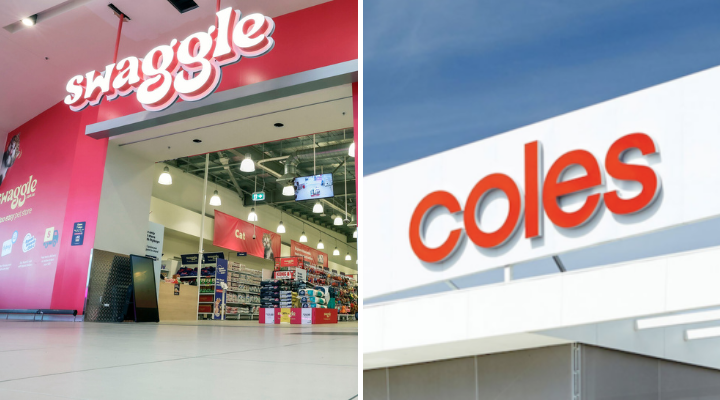
Supermarket giant Coles Group has decided to shut down Swaggle, its online pet-care venture, just two years after launching the platform as an attempt to capture more of the growing pet market.
For many independent pet-specialty retailers, however, the closure may be less a sign of market weakness and more a validation of the advantages that smaller, focused businesses still hold.
A reminder that pet retail is different
Swaggle was designed as an online destination for pet owners, offering repeat deliveries, product recommendations and a wide range of well-known brands. The venture was part of Coles’ broader push to expand beyond traditional grocery categories and tap into the rapidly growing pet sector.
Yet pet retail is fundamentally different from selling groceries. Pet owners often want:
- tailored nutritional advice
- to purchase new pets, or be connected to rescues or breeders
- guidance on training, behaviour and wellbeing
- trusted relationships with knowledgeable staff
These are areas where independent pet-specialty stores have a natural advantage. The closure of Swaggle highlights that even well-funded corporate ventures can struggle to replicate the expertise and community connection that specialist retailers build over years.
Less pressure from corporate competition
When a supermarket enters a category, it can create immediate concern among smaller retailers, particularly because of its buying power and pricing strategies.
Swaggle’s strategy put them into fierce pricing competitiveness with Pet Circle, pushing margins to levels that small independent businesses—particularly those selling online using our dropship service—could not sustain.
Swaggle’s closure will hopefully reduce some of the steep unsustainable discounting that has been harming small pet businesses like yours and ours.
The resilience of the specialist model
The pet category has repeatedly demonstrated that specialisation matters. Owners are increasingly looking for high-quality nutrition, health support, and advice tailored to their pets’ life stages and conditions.
Independent stores tend to excel in these areas because they can:
- curate premium or niche brands
- provide in-store education and guidance
- build long-term relationships with customers and their pets
- adapt quickly to emerging trends such as raw diets, functional treats and natural health solutions.
Large retailers often prioritise scale and efficiency, but pet owners frequently prioritise trust and expertise.
A signal about the market
The closure of Swaggle does not mean the pet industry is slowing down. Instead, it suggests that scale alone isn’t enough to succeed in specialist retail.
For independent pet-specialty retailers, the takeaway is encouraging: deep product knowledge, trusted advice and strong customer relationships remain powerful competitive advantages — even against the country’s largest retailers.